BEN BECKER
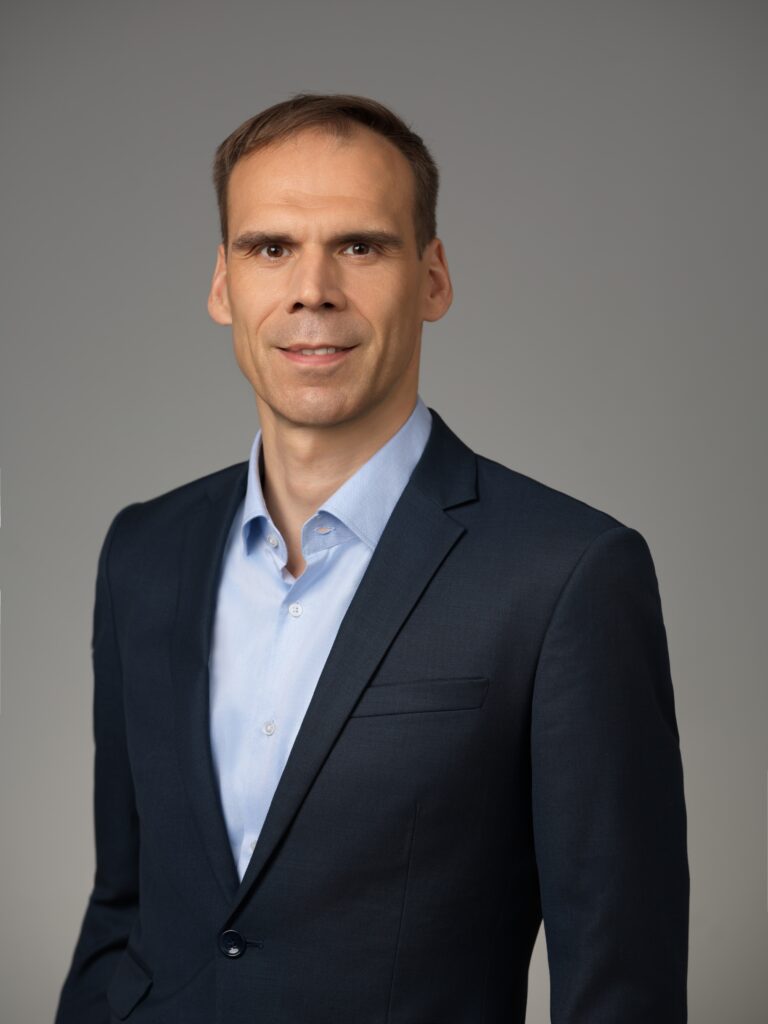
Prof. Dr. rer. nat. Benjamin Becker, PhD
Director, MIND & AI Lab
Email: ben_becker (@) gmx.de
Benjamin (Ben) Becker is currently a Full Professor at The University of Hong Kong and an Adjunct Professor at the University of Electronic Science and Technology of China. He received his degrees from the Universities of Trier and Duesseldorf and completed further training at the University of Bonn in Germany. Over the past ten years, he has established and led internationally successful research teams in Germany, Mainland China, and Hong Kong.
His research drives innovation at the intersection of Neuropsychology and Artificial Intelligence to advance Mental Health and Social-Cognitive Affective Sciences. Leveraging recent technological and computational progress, his MIND & AI Lab investigates the neural underpinnings of social-cognitive and affective processes in humans, focusing on how these (1) shape and are shaped by interactions with emerging technologies and new forms of intelligence (such as social media and AI), (2) become dysregulated in mental disorders (including anxiety, depression, and addiction), and (3) can be modulated by neuropeptides (e.g., oxytocin, renin-angiotensin) or brain-inspired technologies (e.g., non-invasive brain stimulation, real-time neurofeedback). The international team employs a comprehensive array of methodologies – from neuropsychology and cognitive neuroscience, to experimental psychology, advanced neuroimaging, AI, machine learning-based neural decoding, computational modeling, and both pharmacological and real-time fMRI-guided neuromodulation in healthy and clinical populations.
He has published more than 300 research and conceptual articles in leading journals, including Nature, Neuron, Nature Human Behaviour, Nature Communications, Nature Reviews Psychology, Advanced Science, Trends in Cognitive Sciences, IEEE Transactions in Affective Computing, PNAS, Molecular Psychiatry, American Journal of Psychiatry, Biological Psychiatry, etc. His findings have also been featured in numerous keynote talks and in international media reports such as The New York Times, Forbes, and Xinhua. The research has been supported by numerous competitive and talent-based projects, including funding from the German Research Foundation, the Ministry of Science and Technology, and the National Science Foundation. He currently serves as Principal Editor of Psychopharmacology, Executive Board Member of Advanced Science, Editor of Psychotherapy and Psychosomatics, and Co-Director of the CIBD Task Force of the Global Brain Consortium (GBC), and has been recognized as World’s Top 1% or Top 2% scientists by Clarivate Analytics or Stanford University, respectively.